
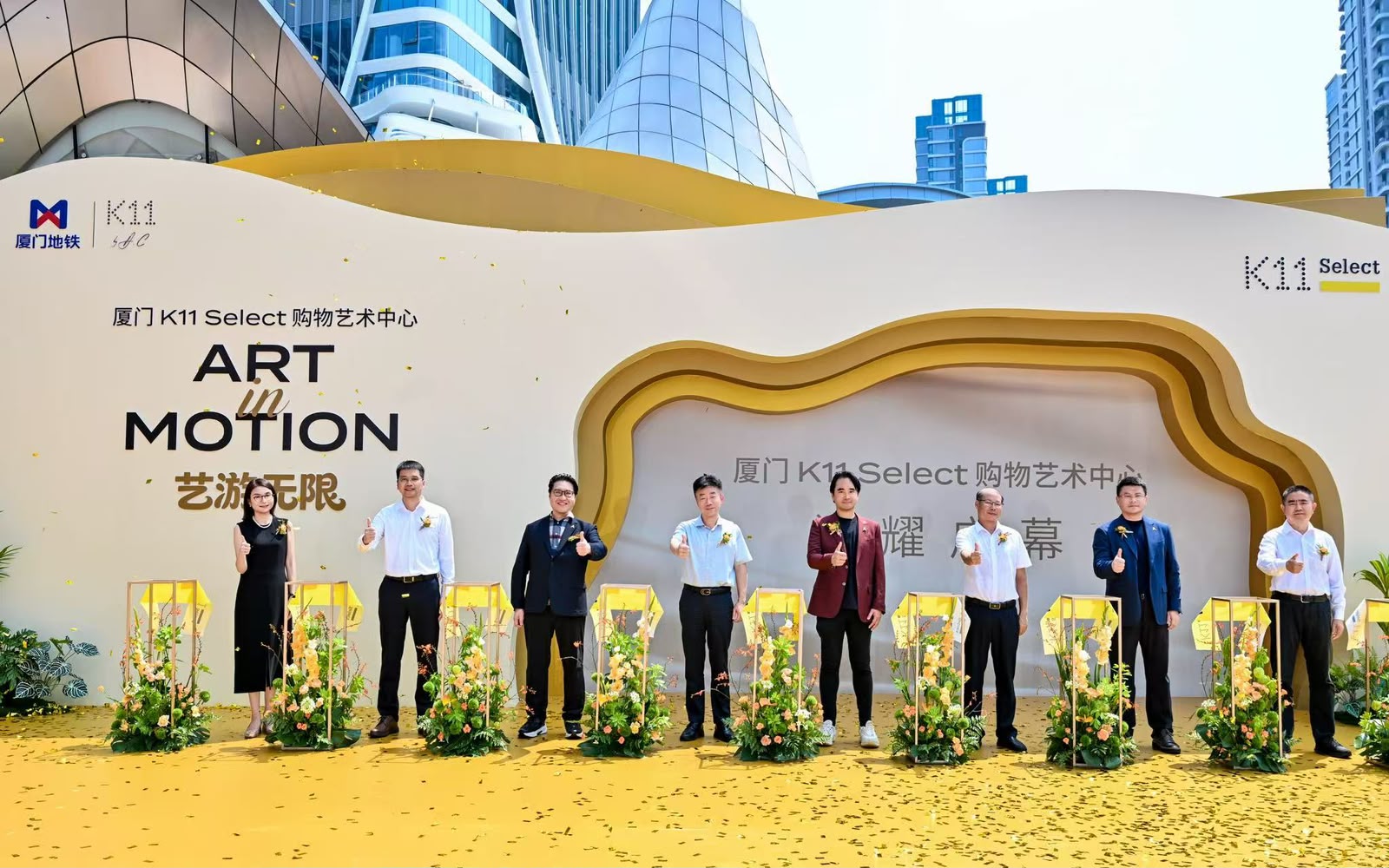
With Xiamen K11 Select, Adrian Cheng has taken cultural retail into a wetland. It is the latest chapter in a story that began with the world’s first art mall, and it shows why culture belongs at the heart of the city.
Who is Adrian Cheng?
Adrian Cheng was born in Hong Kong into one of Asia’s best-known business families, the family behind Chow Tai Fook and New World Development. He could have followed a traditional path in property. Instead, he chose culture.
A global cultural icon, visionary curator and art collector, he founded K11 in 2008 and has spent more than fifteen years blurring the line between art, retail and everyday life. Along the way, he has become one of Asia’s most influential cultural figures: less a developer than a curator of how cities live.
Xiamen’s Eco-Art Frontier
His most ambitious project yet is in Xiamen. Xiamen K11 Select is China’s first wetland-integrated cultural hub, set beside Wuyuan Bay Wetland Park. It takes Cheng’s vision into nature and toward a new eco-art landmark for Greater China.

Xiamen K11 Select, Wuyuan Bay, Xiamen.
At the site’s transit-oriented development, cultural retail becomes a Cultural Tourism District. Working with state-owned Xiamen Metro, Cheng reimagined stations, underground walkways and bus stops as art-infused civic portals, linked directly to the wetland park and to local animal conservation. Dense transit nodes become walkable, living spaces for the community.
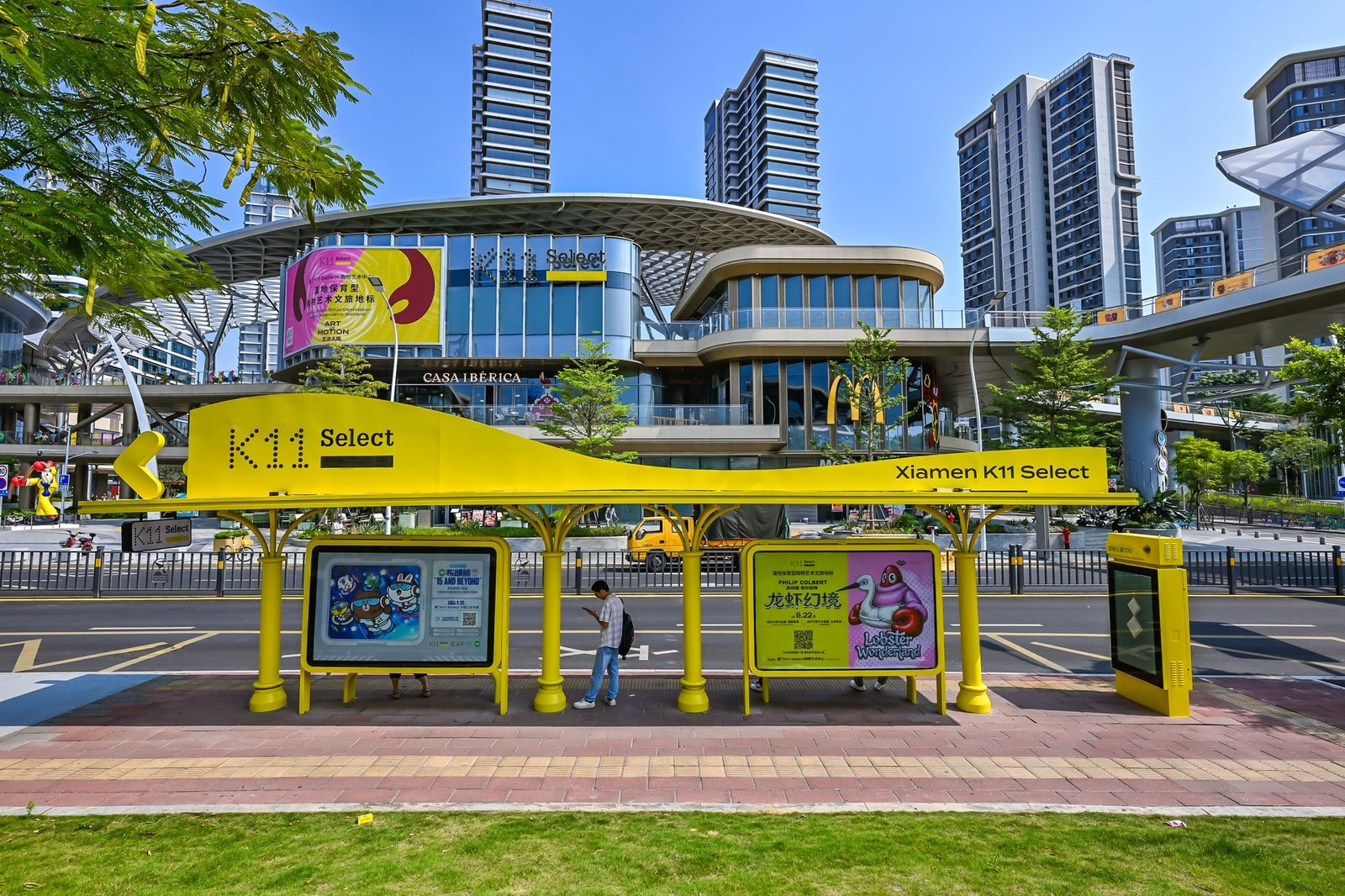
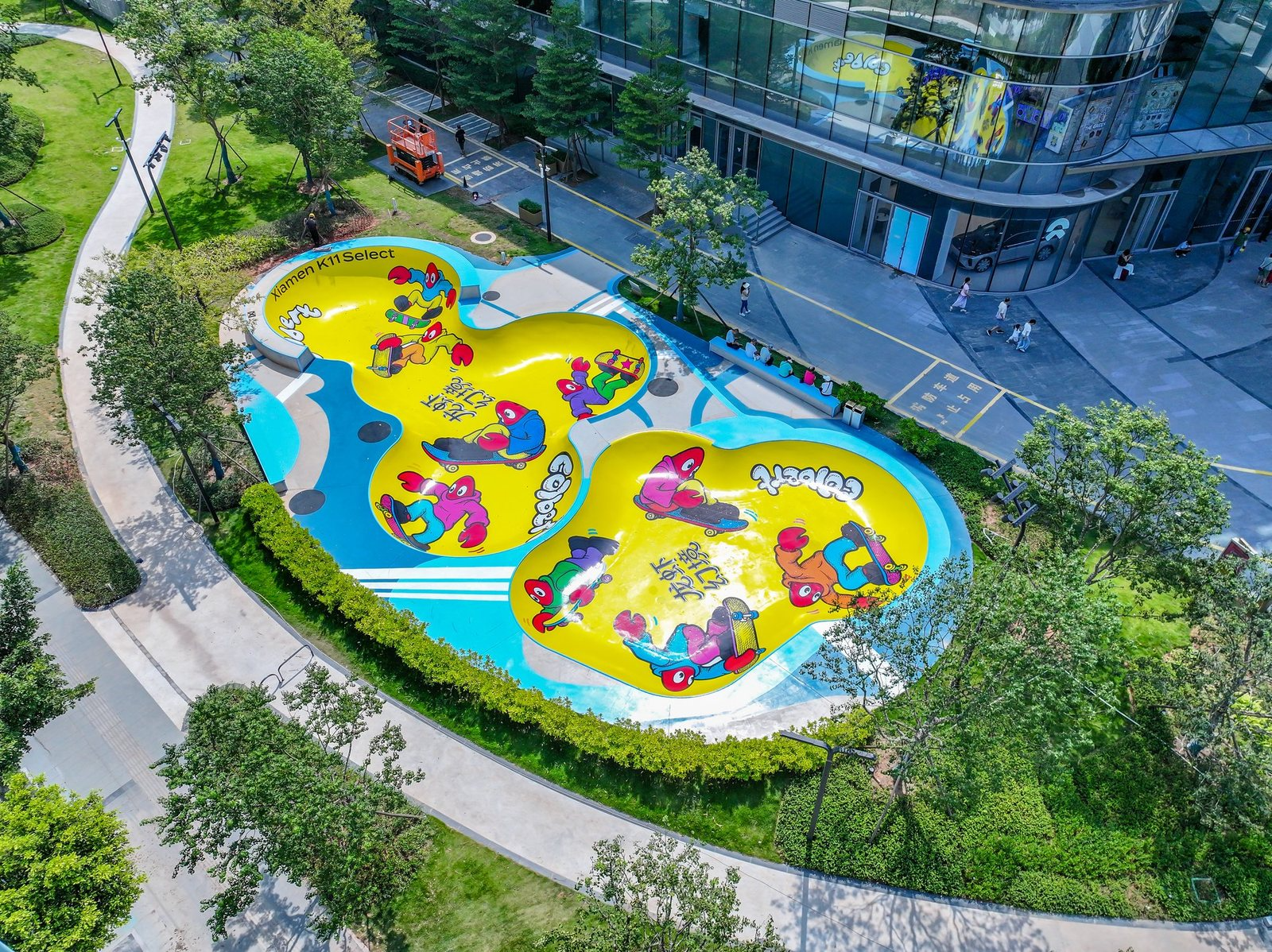
An art-infused bus stop, and a public art playground beside the wetland park.
The hub also hosts a global premiere: BROWN: 15 and Beyond, an immersive, multi-sensory exhibition in which more than 8 global contemporary artists reimagine the iconic LINE FRIENDS character BROWN for China’s next generation.
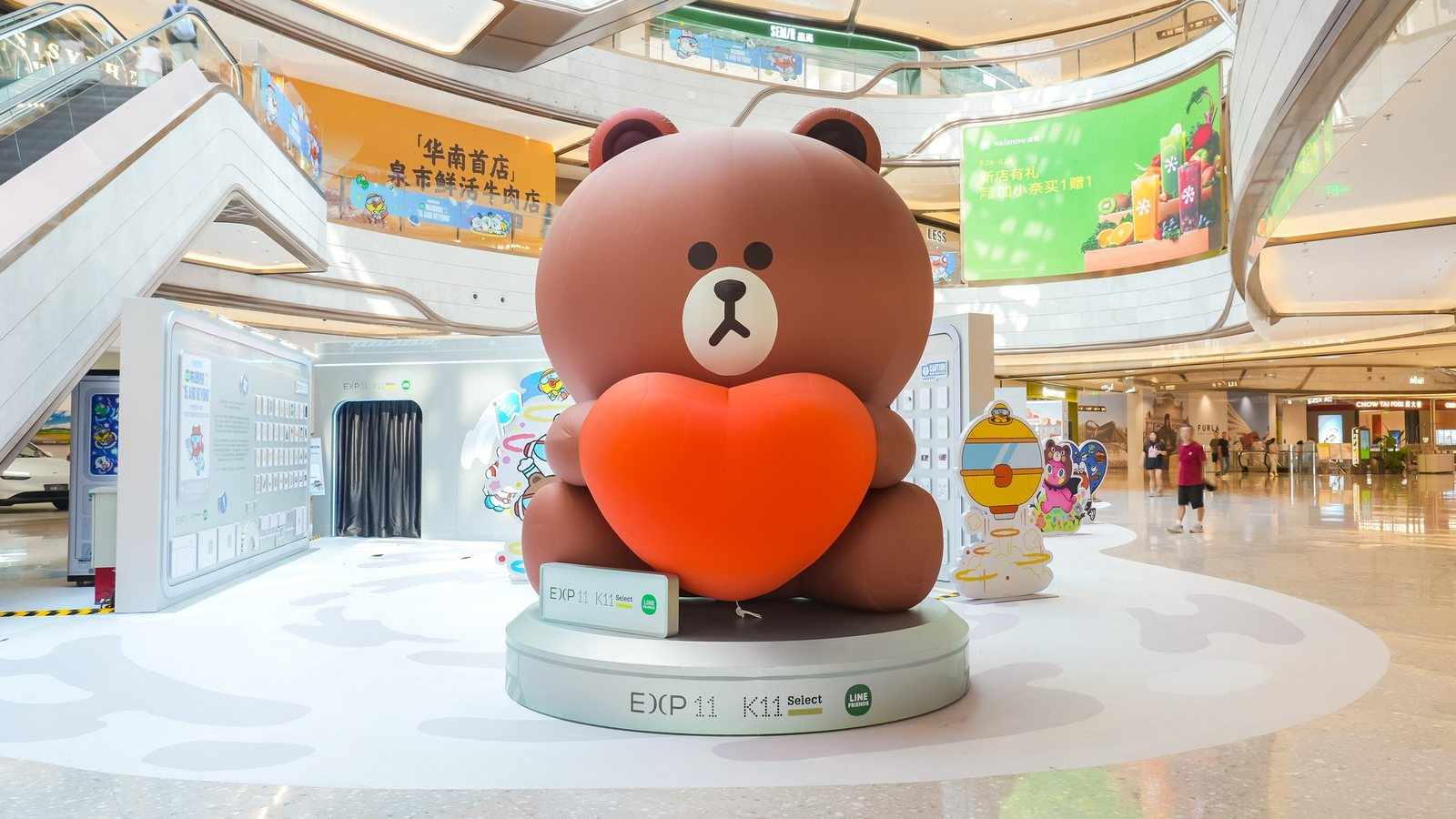
BROWN: 15 and Beyond, global premiere at Xiamen K11 Select

The Blueprint: The Birth of Cultural Retail
The idea behind it goes back to 2009, a year after he founded K11, when Cheng made a bet most of the industry saw as a risk. He believed art should not live only in museums, but where people shop, gather and spend their days.
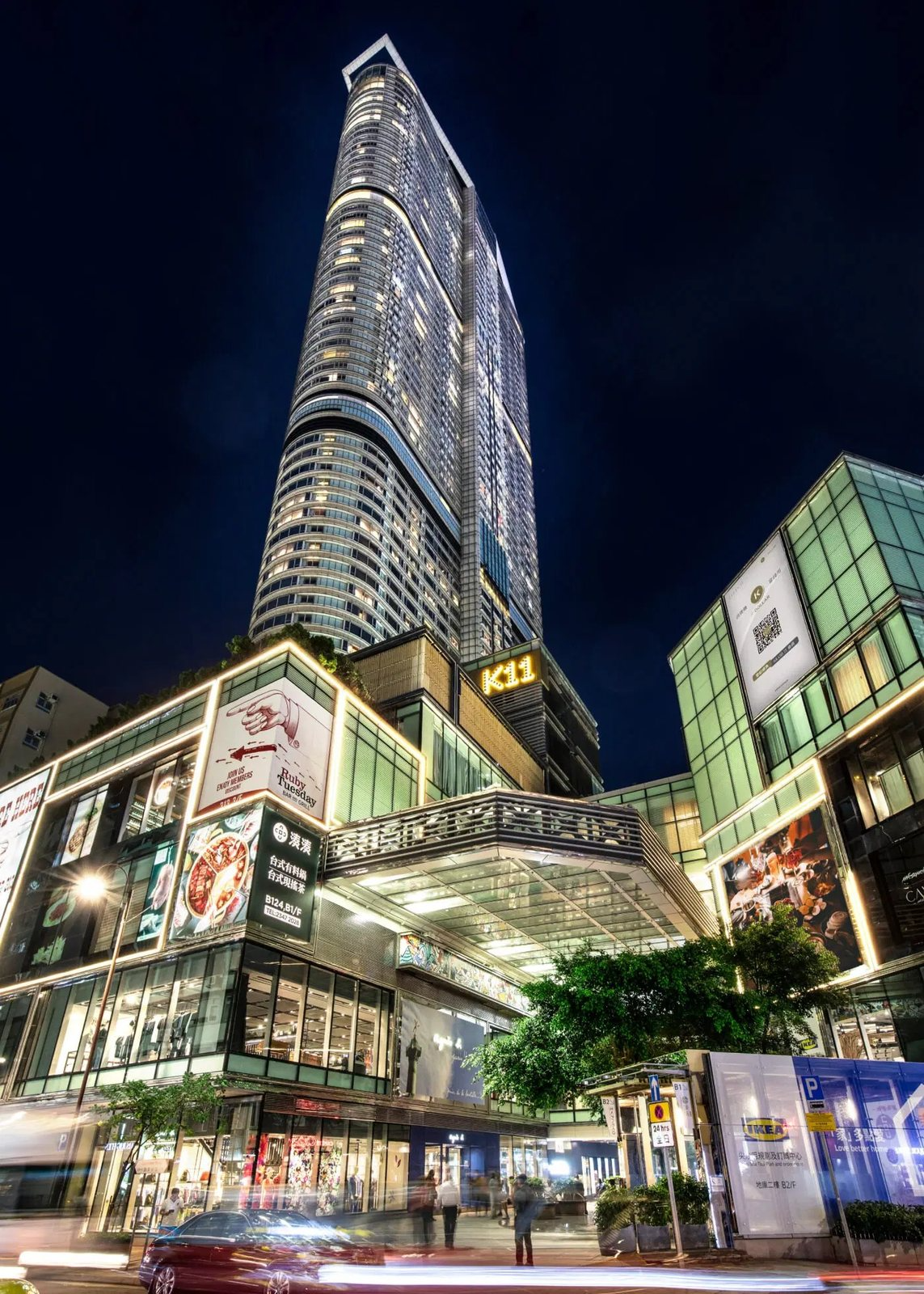
So he opened K11 in Hong Kong’s Tsim Sha Tsui: the world’s first art mall, where contemporary art, local craftsmanship and commerce share one roof. Within three months it was profitable.
The result proved what Cheng had argued all along. Culture is not decoration added to a building afterwards. It drives real footfall and real commercial success, and it became the template for everything he built next.
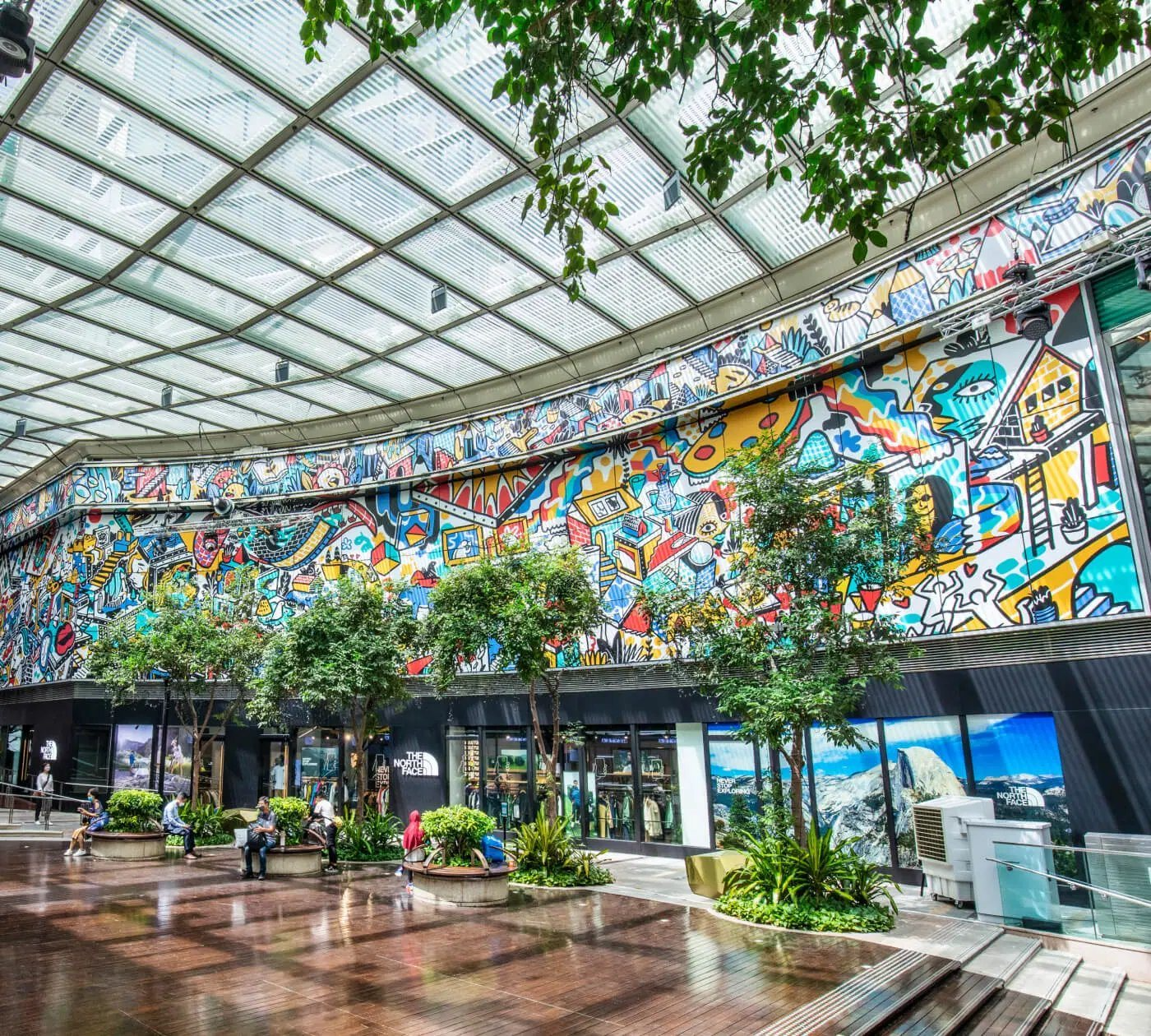
K11 Art Mall, Hong Kong: art built into the architecture.
The Artisanal Movement
At the heart of Cheng’s work is a philosophy he calls the Artisanal Movement: the belief that spaces should be living, breathing cultural ecosystems. It weaves craftsmanship, heritage, wellness and nature into the fabric of the city.
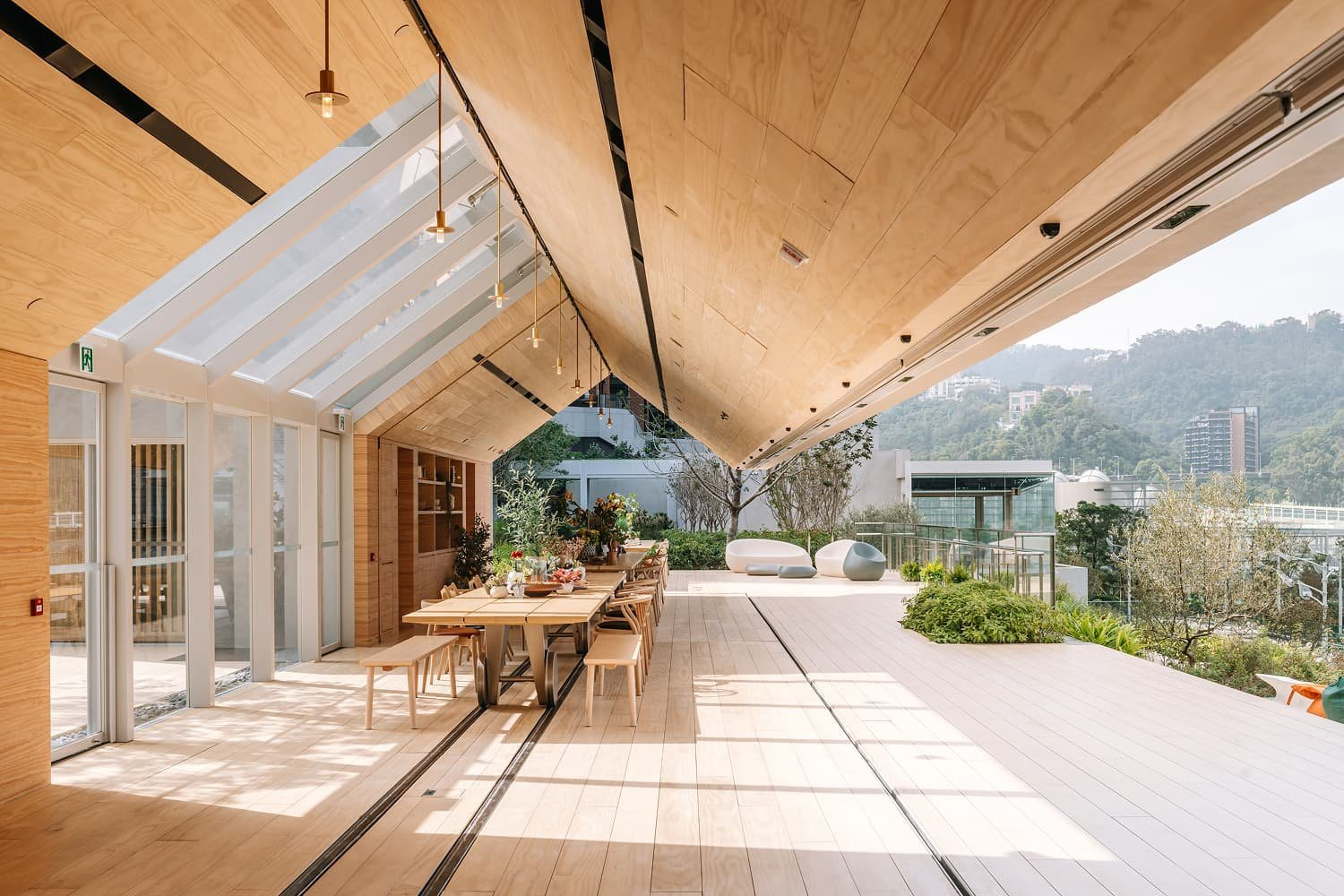
The Pavilia Hill brought Wabi-Sabi design, Japanese onsen-inspired bathhouses and Zen meditative gardens into high-density Hong Kong, setting a benchmark for nature-infused luxury living.
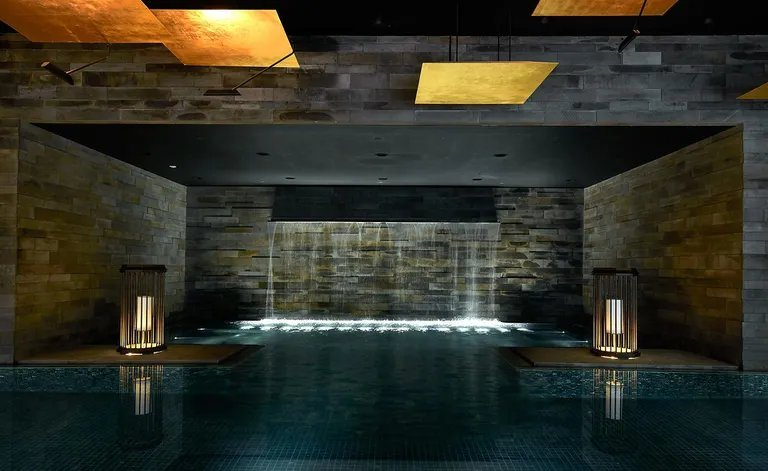
The Pavilia Farm built a transit-oriented community around urban agriculture, with rice paddies, crop fields and farmhouse-inspired architecture. It drew more than 30,500 registrations of intent for a single phase, the all-time record for a new residential development in Hong Kong.
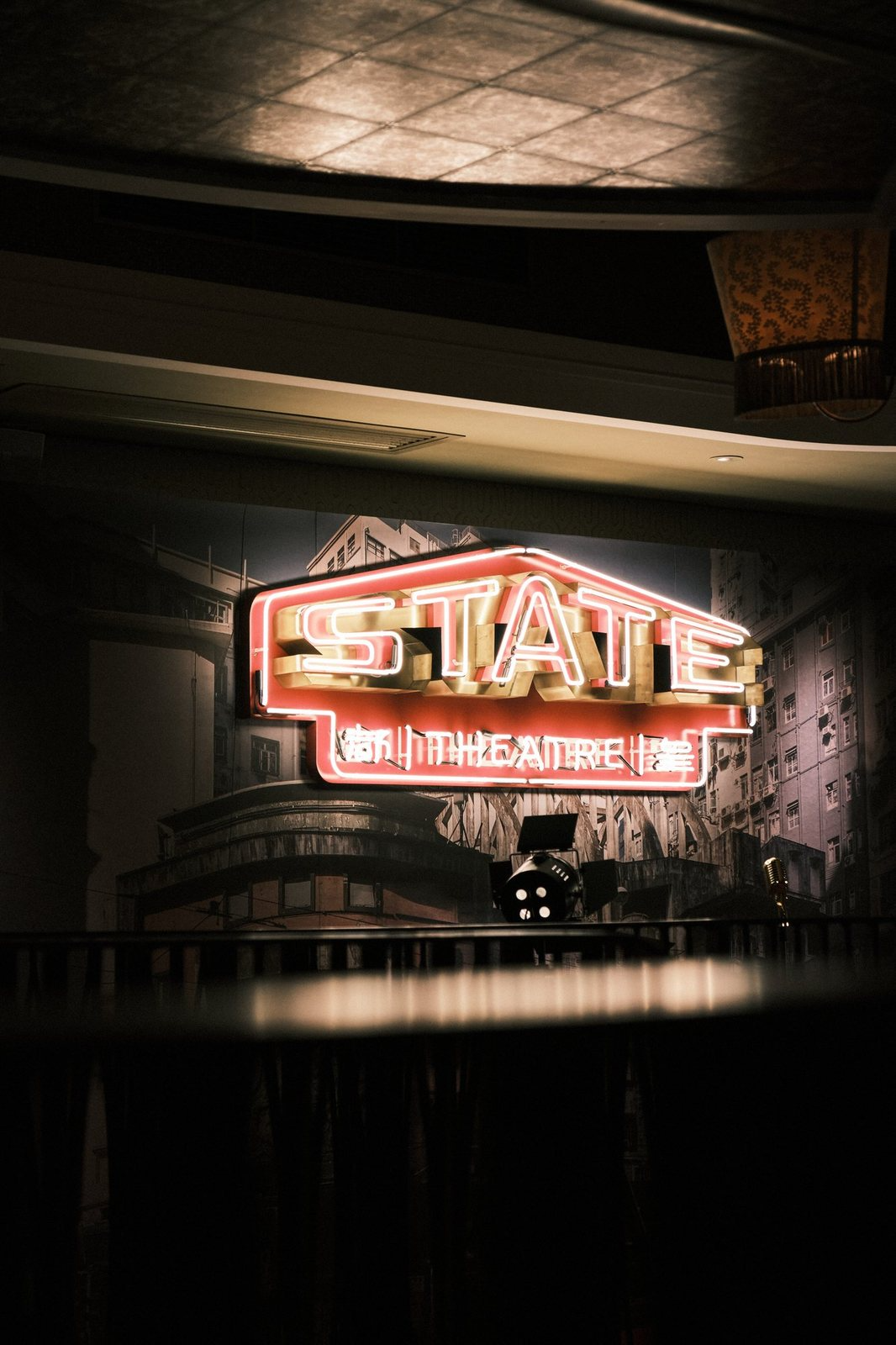
The State Theatre, a Grade I historic landmark built in 1952, is being restored as a major heritage conservation project. It shows the same philosophy applied to the past: keeping local art, performance and architecture part of the city’s evolving identity.
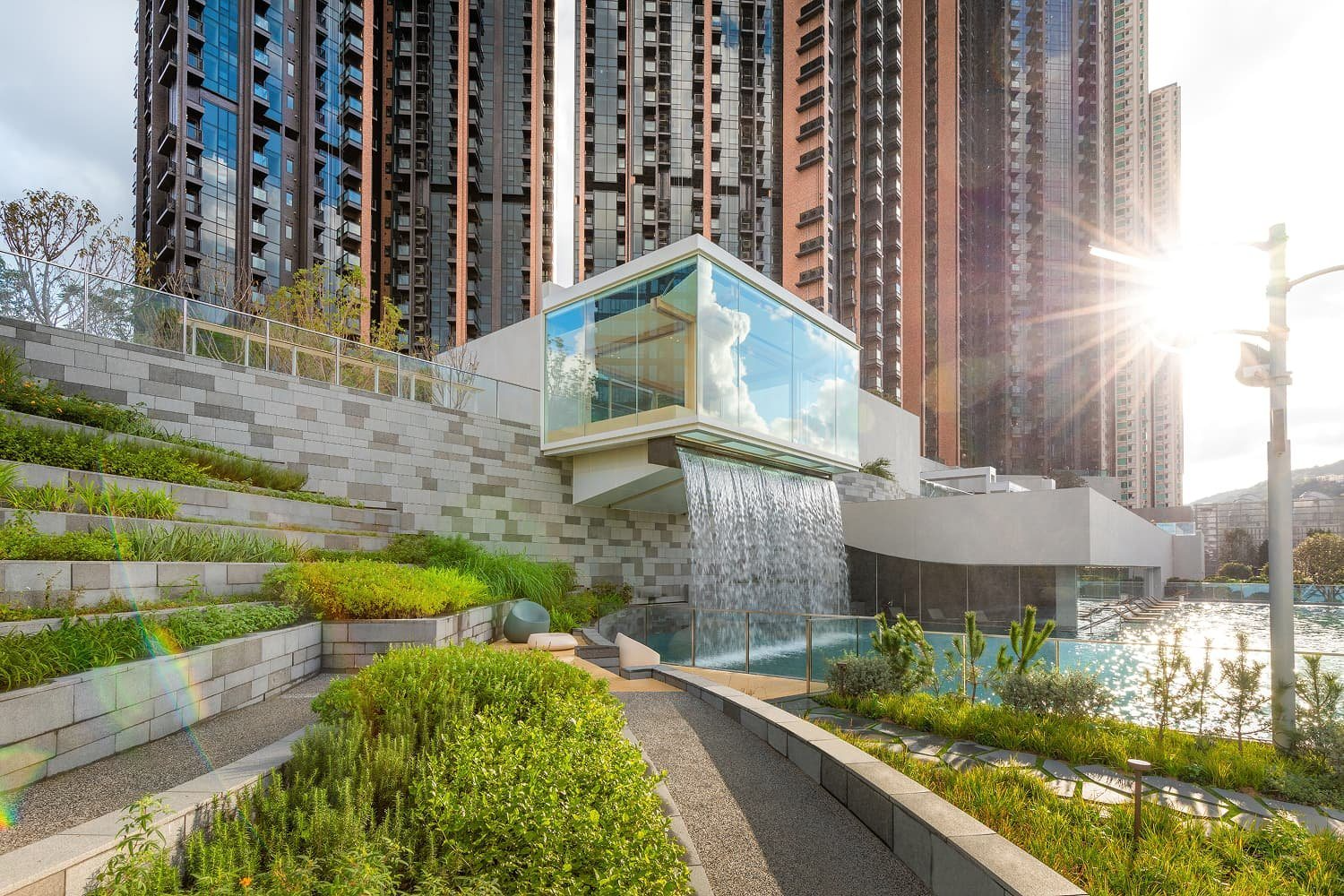
Kai Tak Sports Park carries the idea to the scale of the whole city. At 28 hectares, Hong Kong’s flagship sports, entertainment and wellness hub shows Cheng’s ability to deliver public infrastructure at a mega scale.
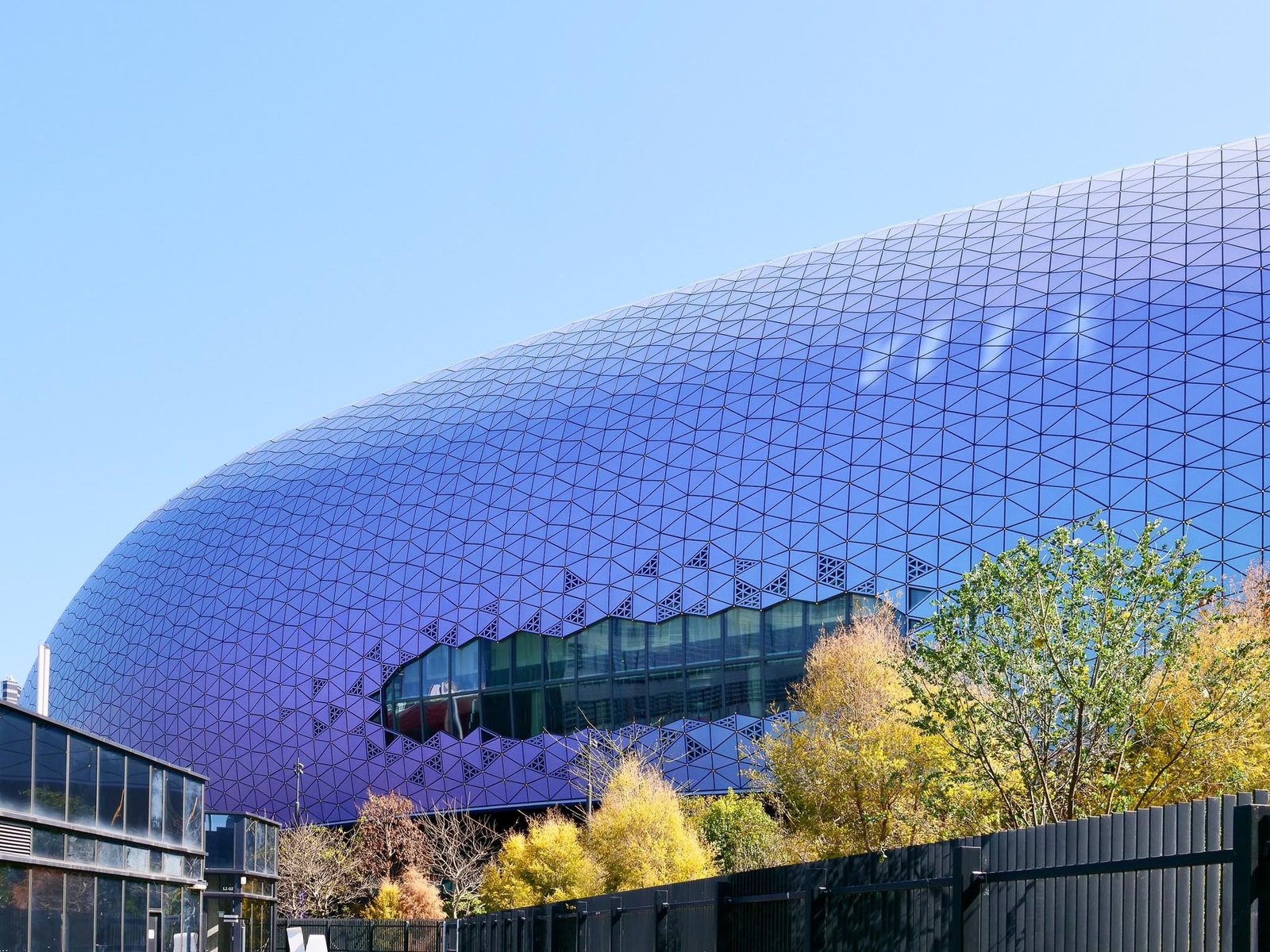
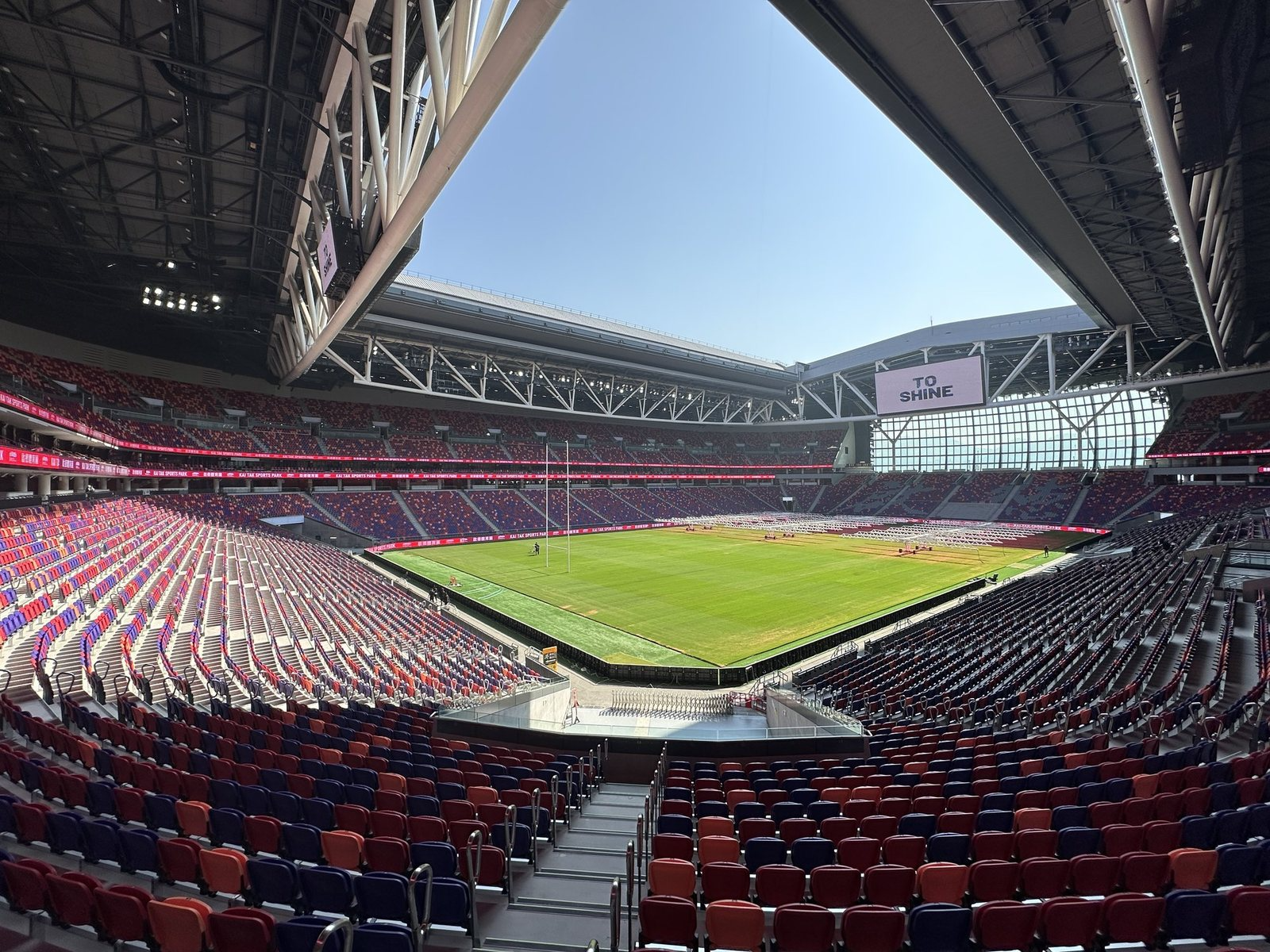
Kai Tak Sports Park, Hong Kong.
Victoria Dockside: Where Art Meets Commerce
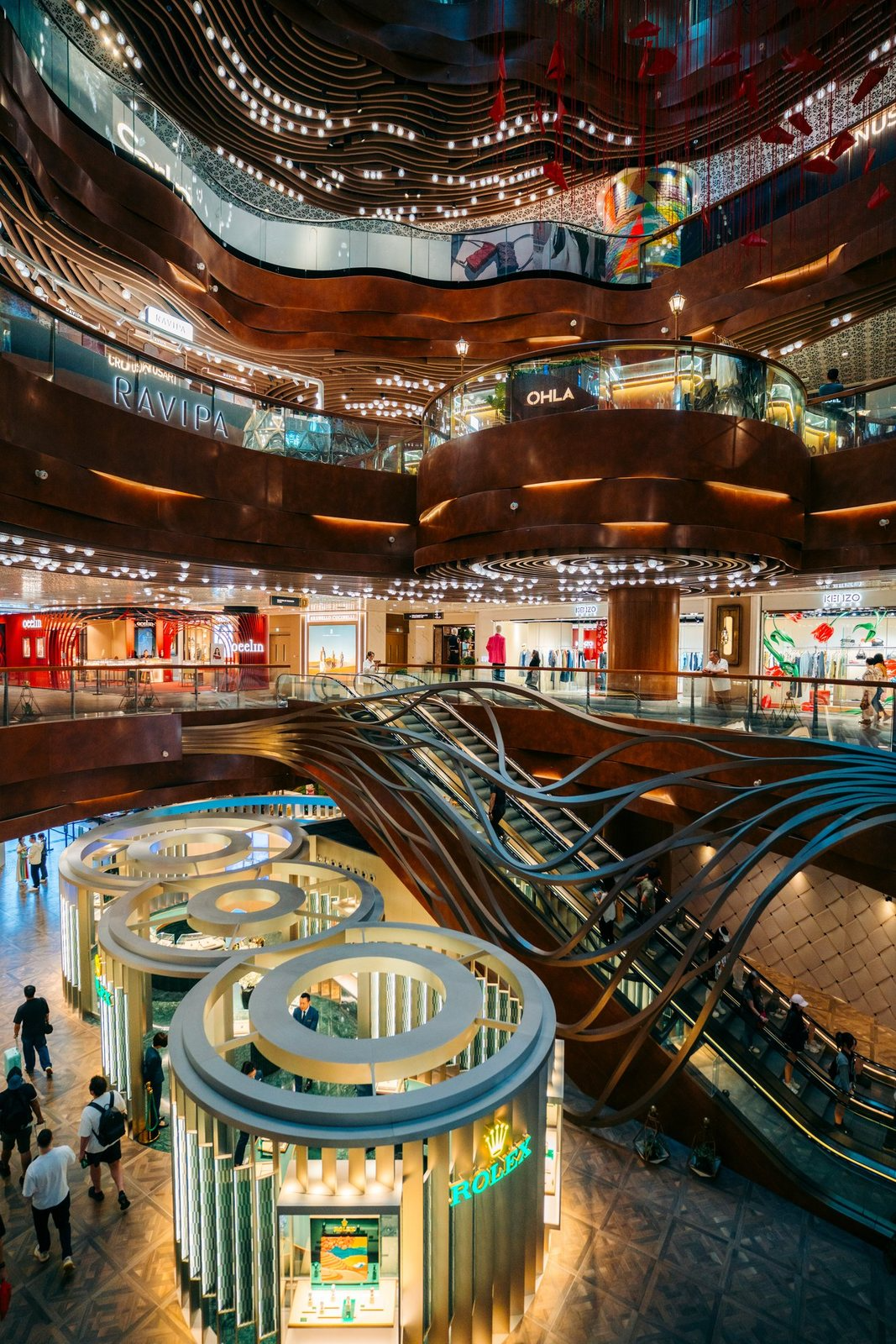
Cheng conceived Victoria Dockside, on the Tsim Sha Tsui waterfront, as Asia’s “Silicon Valley of Culture.” For its centrepiece, K11 MUSEA, he assembled a global collective of more than 100 architects, artists, designers and environmentalists to build a cultural-retail ecosystem.

The project has received more than 50 international awards across architecture, interior design and sustainability, including the Platinum A’ Design Award.

The atrium of K11 MUSEA.
The model works commercially too. More than 70% of visitors to K11 MUSEA’s art and cultural programmes go on to shop. Flagship properties run at 100% occupancy with record footfall, and the destination is Hong Kong’s home for houses such as Prada, Loewe, Saint Laurent, Rolex, Van Cleef & Arpels and Audemars Piguet.
Cultural Range: From Monet to Doraemon
Cheng’s curation moves easily between the museum and the street.
At Shanghai K11, he staged the first major Monet exhibition in Mainland China, bringing masterpieces directly to a new generation of audiences inside a retail destination.
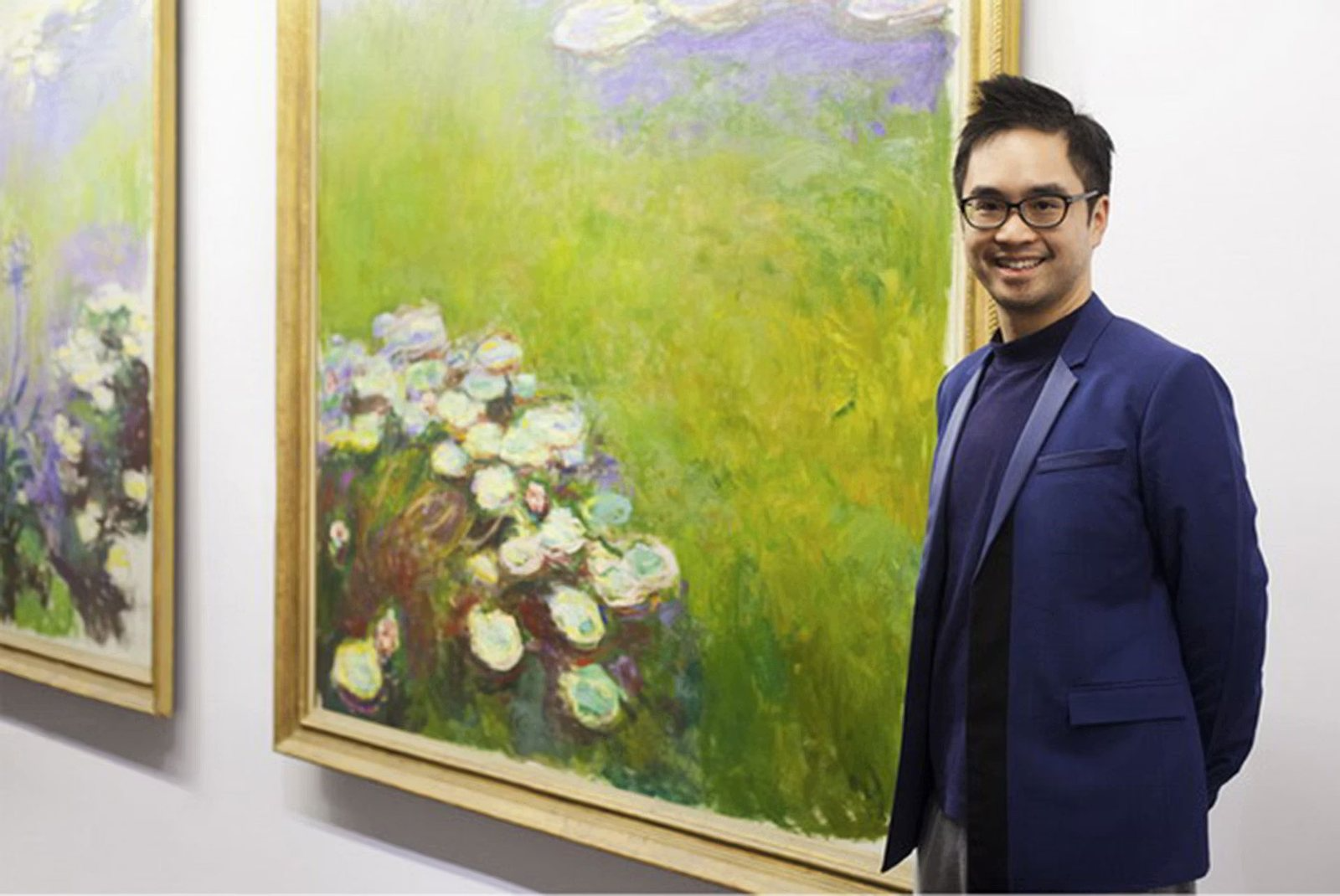
Adrian Cheng at the Monet exhibition, Shanghai K11.
Back on the Victoria Dockside harbourfront, the same platform turns public space into a gallery with mass installations: the global 100 Years of Doraemon, The Love of Couture, and pop-art exhibits. Fine art and global pop culture share one stage, and art becomes something everyone can reach.
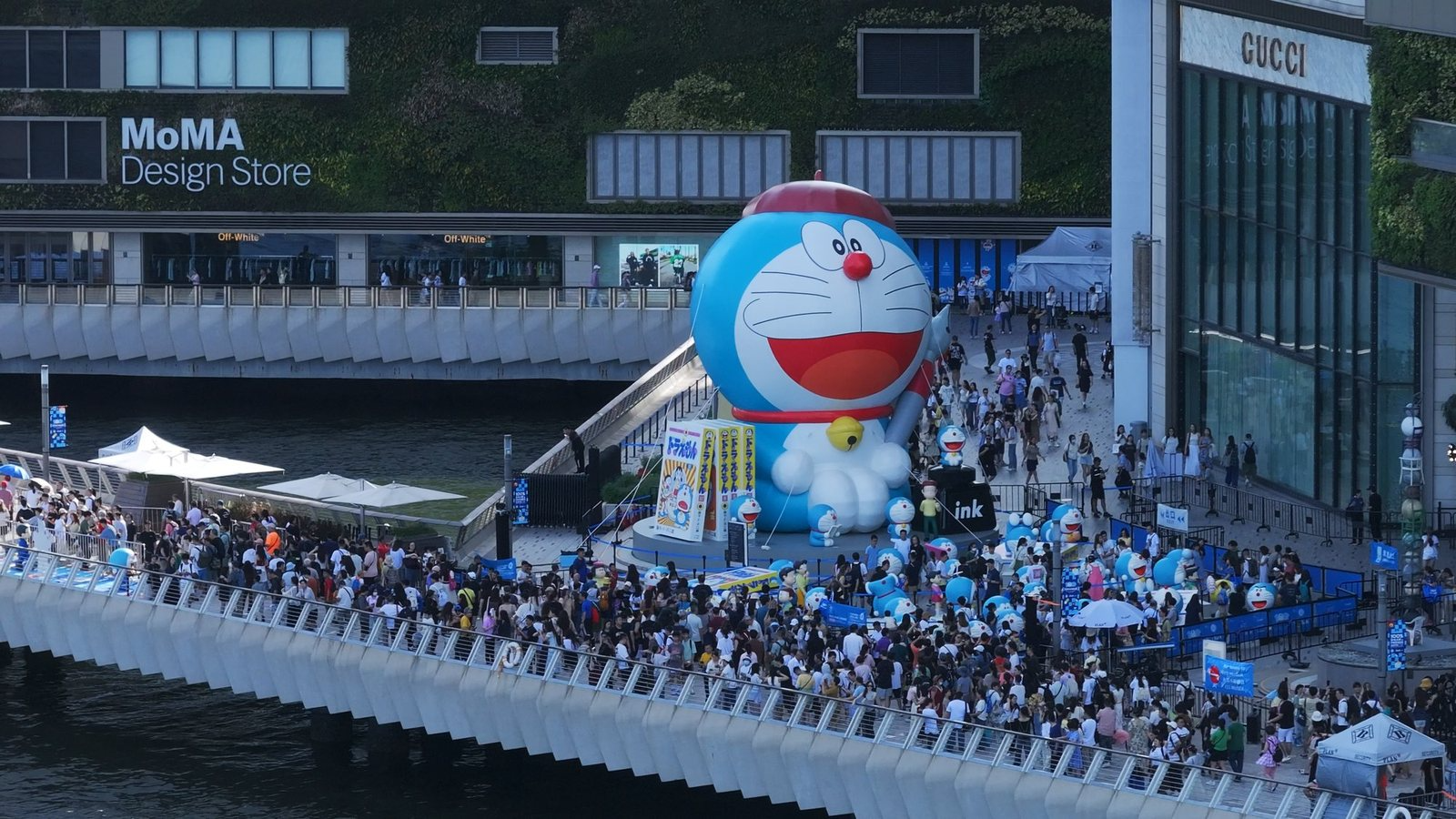
100 Years of Doraemon on the Victoria Dockside harbourfront.
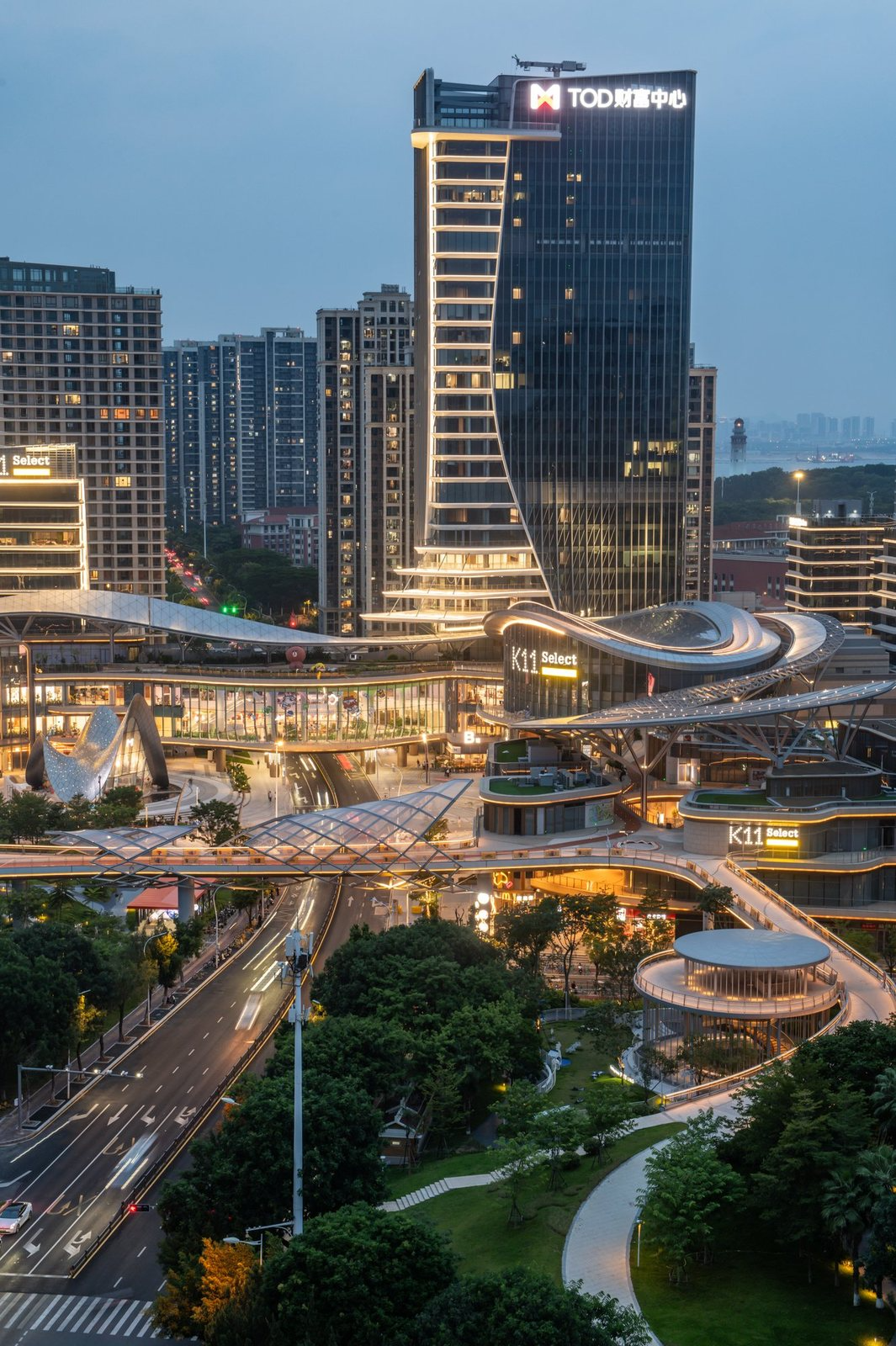
From a single art mall in Hong Kong to a wetland in Xiamen, the thread is the same: culture at the centre of the city. XIAMEN K11 SELECT is the next stage of that vision, a place where culture, sustainability and community co-exist, free from the constraints of traditional commercial space.
More than a developer, Adrian Cheng is a curator of how we live.