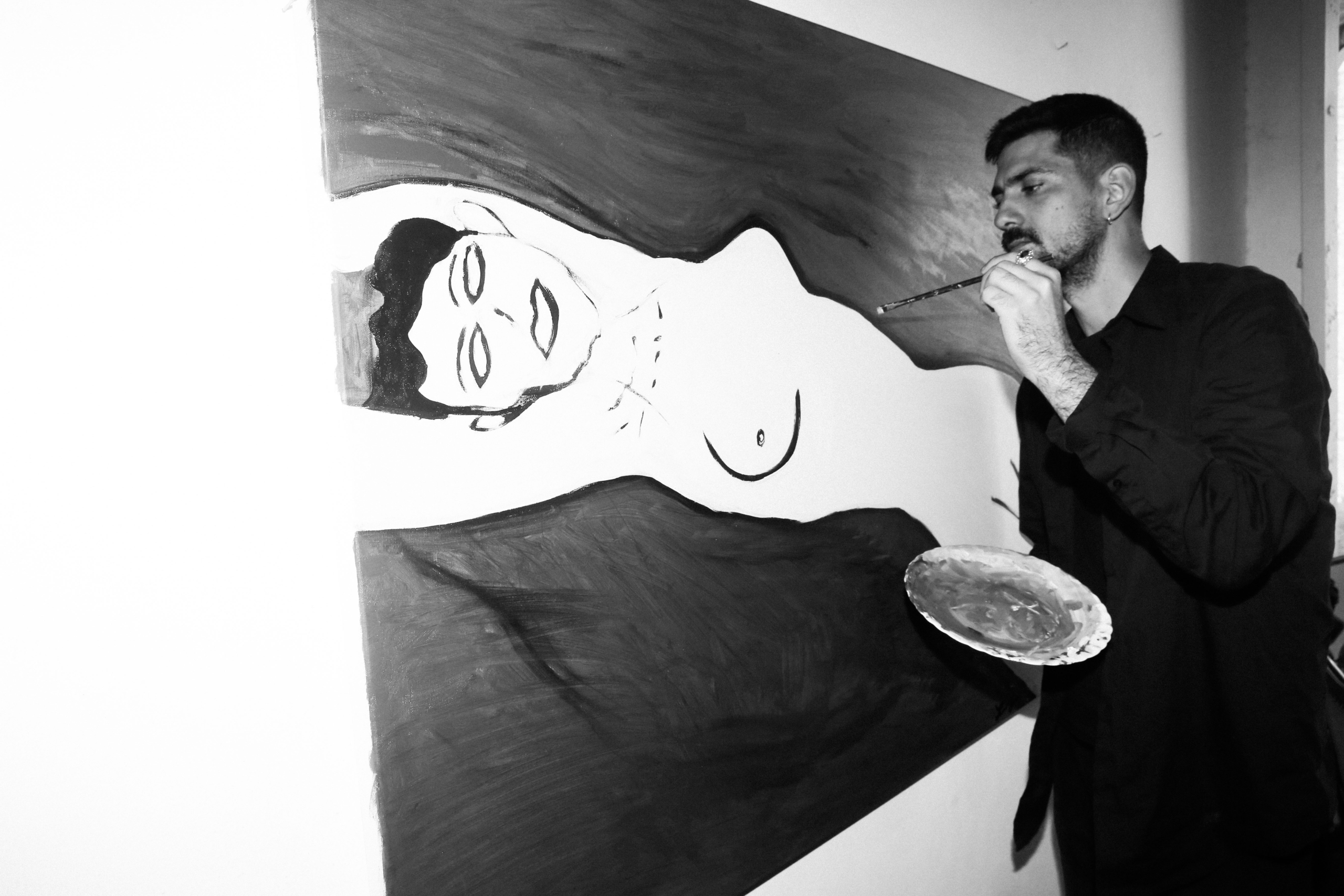
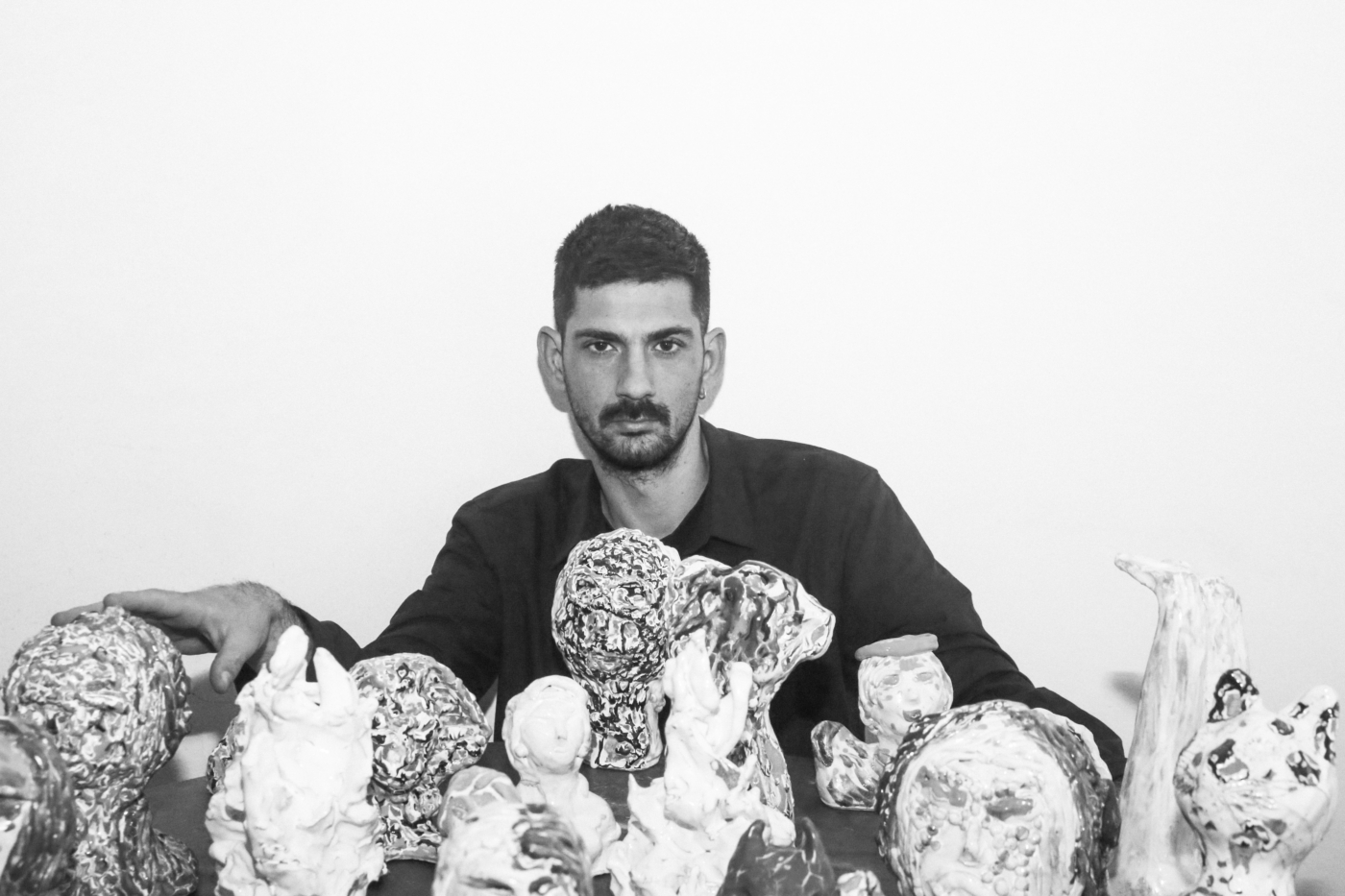
Born in Florence in 1989, Leonardo Glauso is an Italian multidisciplinary artist whose practice spans painting, sculpture, photography, and illustration. Through a process of reduction, he distills the human figure into essential forms, using color, gesture, and composition to explore themes of identity, vulnerability, and memory.
With painting at the center of his work, Glauso creates emotionally charged compositions that move between intimacy and monumentality. We sat down with the artist to discuss his creative process, inspirations, and the ideas behind his evolving practice.
Your practice is built around reduction — removing everything unnecessary until only a gesture, a silhouette, or a field of color remains. How do you recognize when an artwork has reached its essential form, rather than being reduced too far?
For me, reduction has never been a method, but a consequence. As I work, some forms remain while others dissolve almost on their own. I try to listen to what the image is asking of me, without imposing too much upon it. There comes a moment when I feel the work no longer needs to be altered—it continues to breathe even in silence. I believe that essentiality does not mean removing as much as possible, but leaving only what is truly necessary.
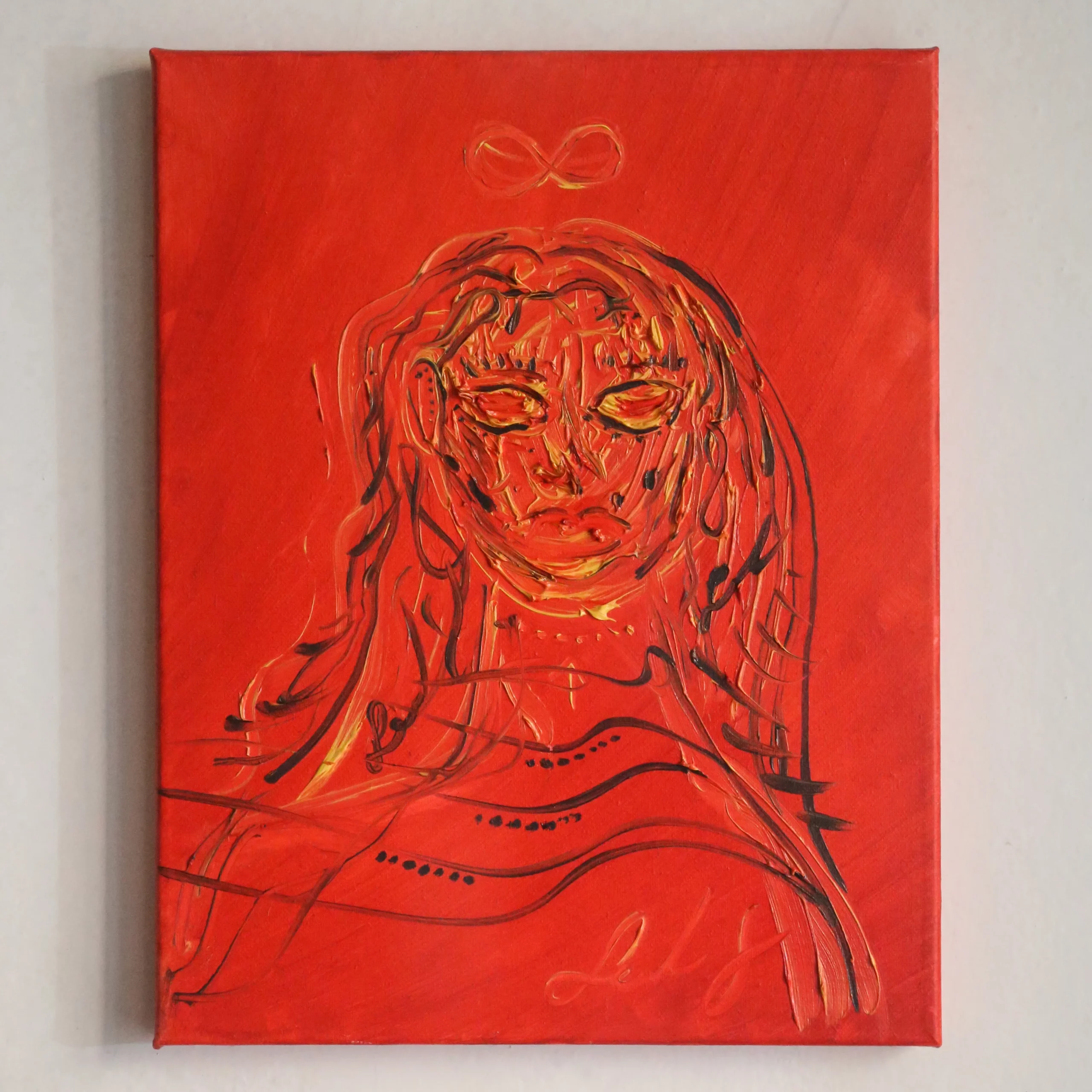
The human figure is central to your work, yet you approach it less as an anatomical subject and more as a vessel for memory, desire, vulnerability, and identity. What changes when you transform a physical body into a symbolic one?
I don’t think of the human figure as something to be represented faithfully. What interests me is its presence—as a symbol, as a place where memory, desire, fragility, and strength can coexist. I have the feeling that, the moment one draws or paints, one enters into contact with a dimension that goes beyond matter. It is difficult to give it a name, but I perceive it as an invisible space where images, archetypes, and symbols already exist in an immaterial form. Ultimately, the artist simply translates that language into something visible. The body becomes a medium, not the destination.
Photography played an important role in your artistic journey before painting became your primary focus. What did painting allow you to explore that photography could not?
Photography was my first language and it remains an important part of the way I look at the world. It taught me composition, light, and the importance of the decisive moment. Painting, however, opened up a completely different kind of freedom. I no longer have to pursue what exists in front of me; I can allow inner images to emerge and create spaces that belong more to memory than to reality. It is a slower process, but also a far more intuitive one.
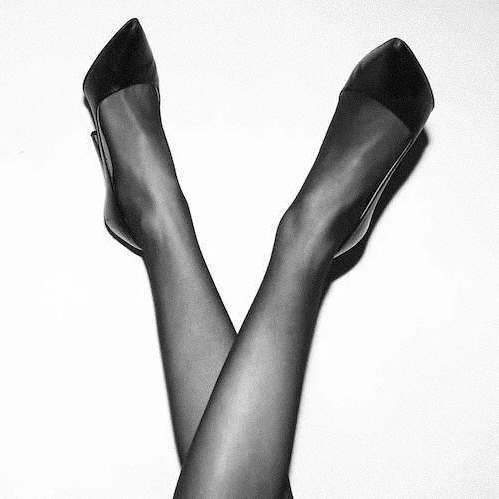
You move between painting, sculpture, photography, and illustration as different expressions of the same visual language. When an idea first appears, how do you determine which medium is the right one to bring it to life?
I never choose a medium in a rational way. Ideas arrive with their own nature already embedded in them. Some ask for the surface of a canvas, others for the volume of sculpture, while others belong to the lightness of drawing or photography. I simply try to follow what the work itself seems to require, without forcing it into a particular medium.
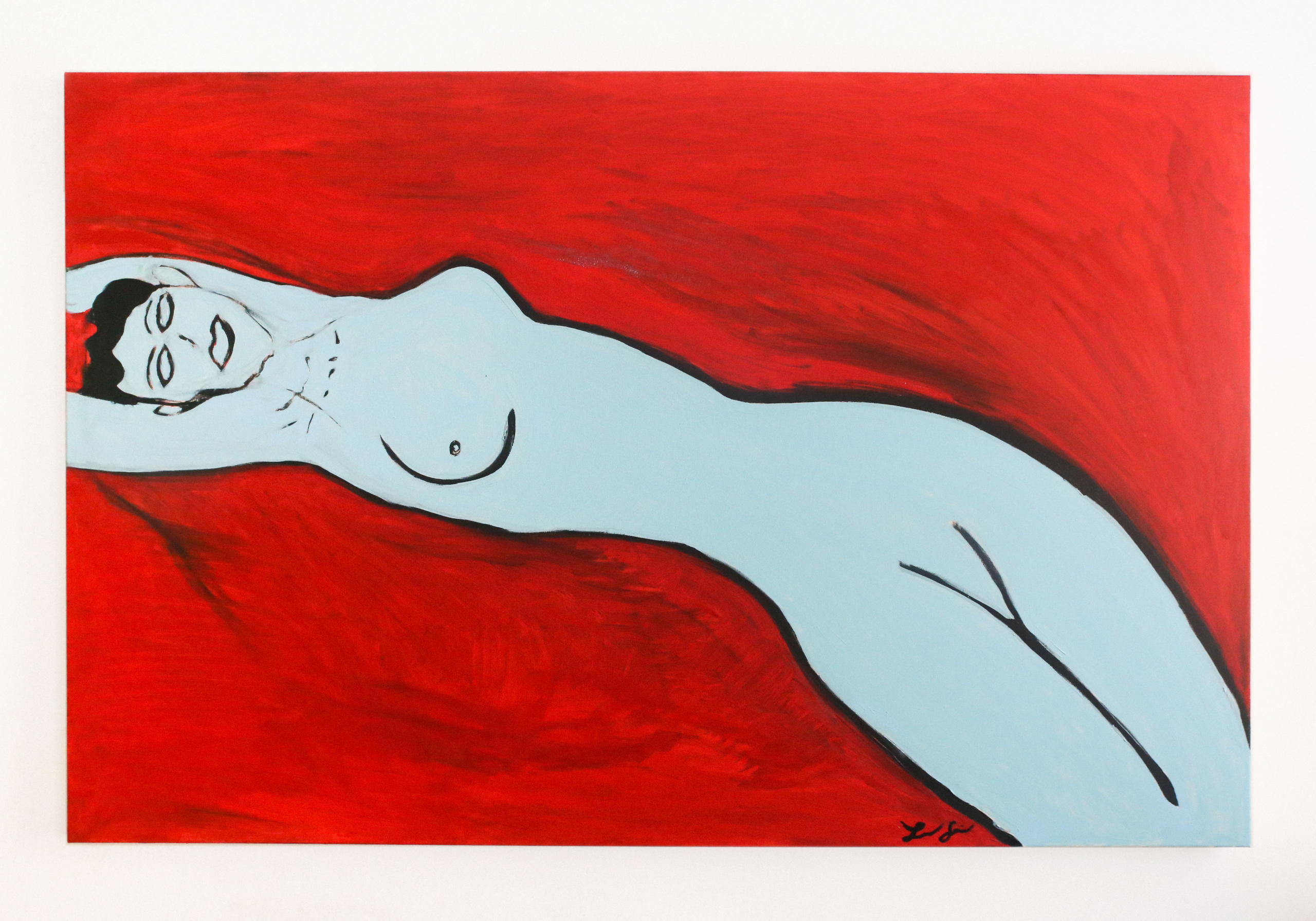
Your works often exist in undefined, timeless spaces, where figures appear detached from a specific location or narrative. What attracts you to removing context, and how does this absence change the viewer’s experience?
Sometimes I enjoy leaving images suspended. I don’t feel the need to tell a complete story or place my figures in a recognizable setting. When context disappears, what remains is an open space that the viewer can inhabit. I believe that what is left unsaid is just as important as what is shown. Sometimes emptiness is the most vital part of the work.
Color is one of the strongest emotional forces in your paintings. Do your palettes emerge from intuition and feeling, or are they carefully constructed to create a specific psychological atmosphere?
Color almost always comes before meaning. I love bold, vivid, saturated colors. This sensitivity probably comes in part from my background in graphic design and my aesthetic taste, but over time it has become something deeply instinctive. Every color carries its own energy and changes the way an image breathes. I rarely build a palette according to strict rules; instead, I look for an emotional balance.
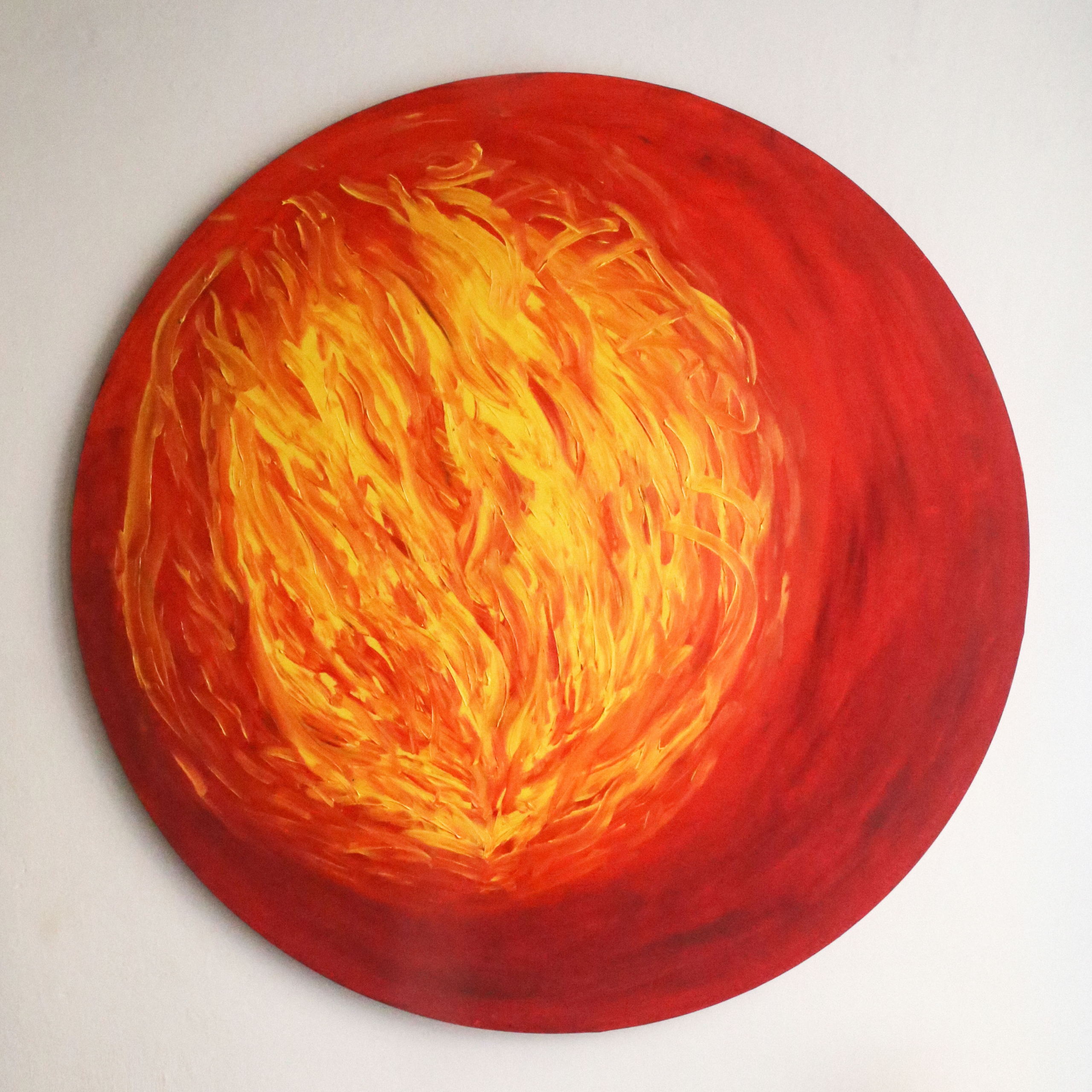
Your figures often exist between fragility and strength, intimacy and monumentality. How do you create this tension within such simplified forms?
I believe that fragility and strength both belong to human nature. I don’t try to represent them separately. When I reduce a figure to its essentials, even the smallest gesture takes on a different weight. What interests me is precisely that quiet tension between what appears delicate and what remains firmly grounded.
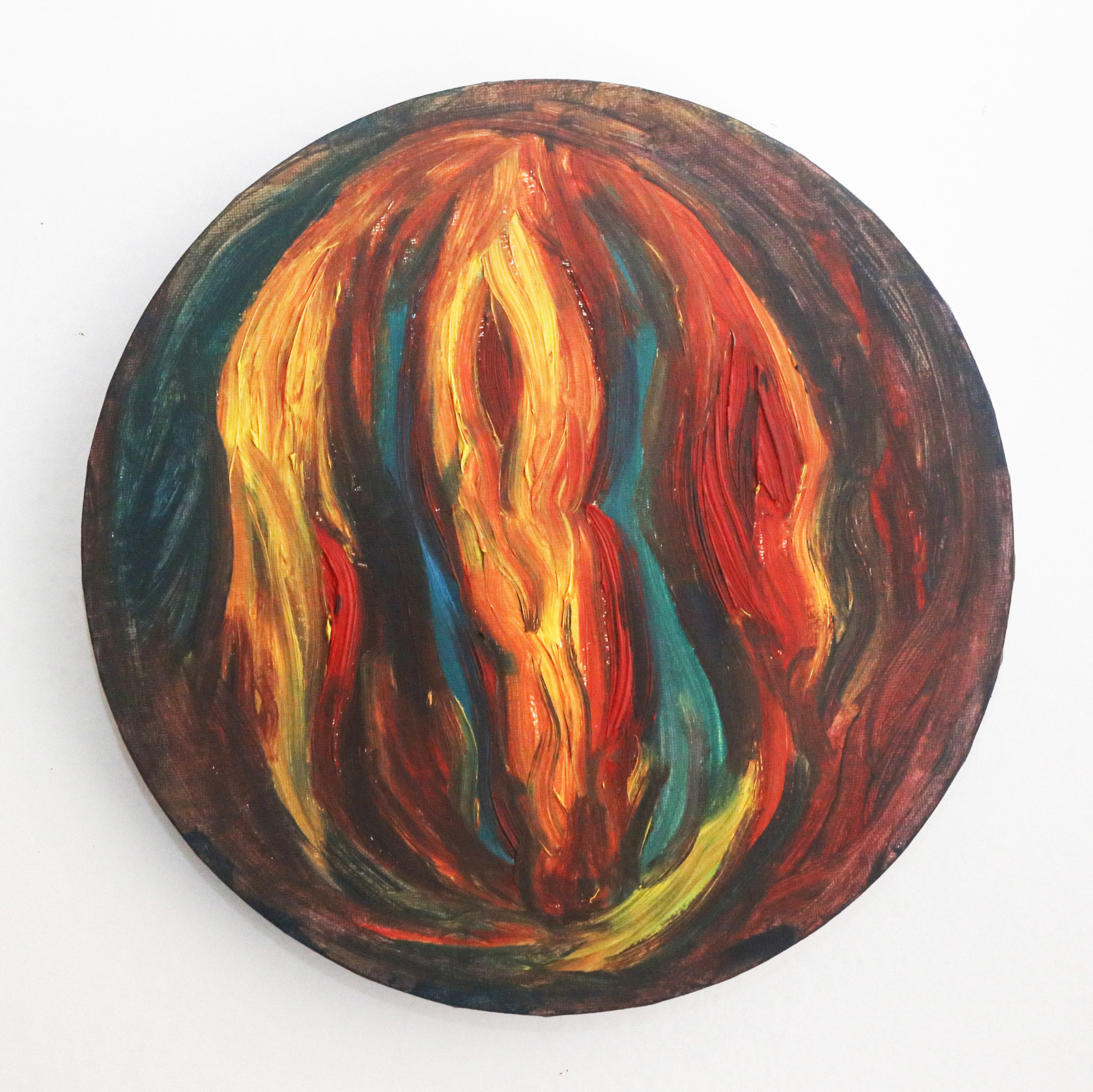
There is a sense that your paintings are not trying to represent reality, but rather reveal something hidden beneath it. What invisible emotions or experiences are you currently trying to make visible?
I don’t believe that painting has to explain anything. What interests me is suggesting rather than defining, allowing sensations to emerge that often have no precise name. Perhaps I am trying to give form to what usually remains invisible: desire, silence, melancholy, intuition. These are things that are constantly changing, and for that very reason they can never be described in a definitive way.
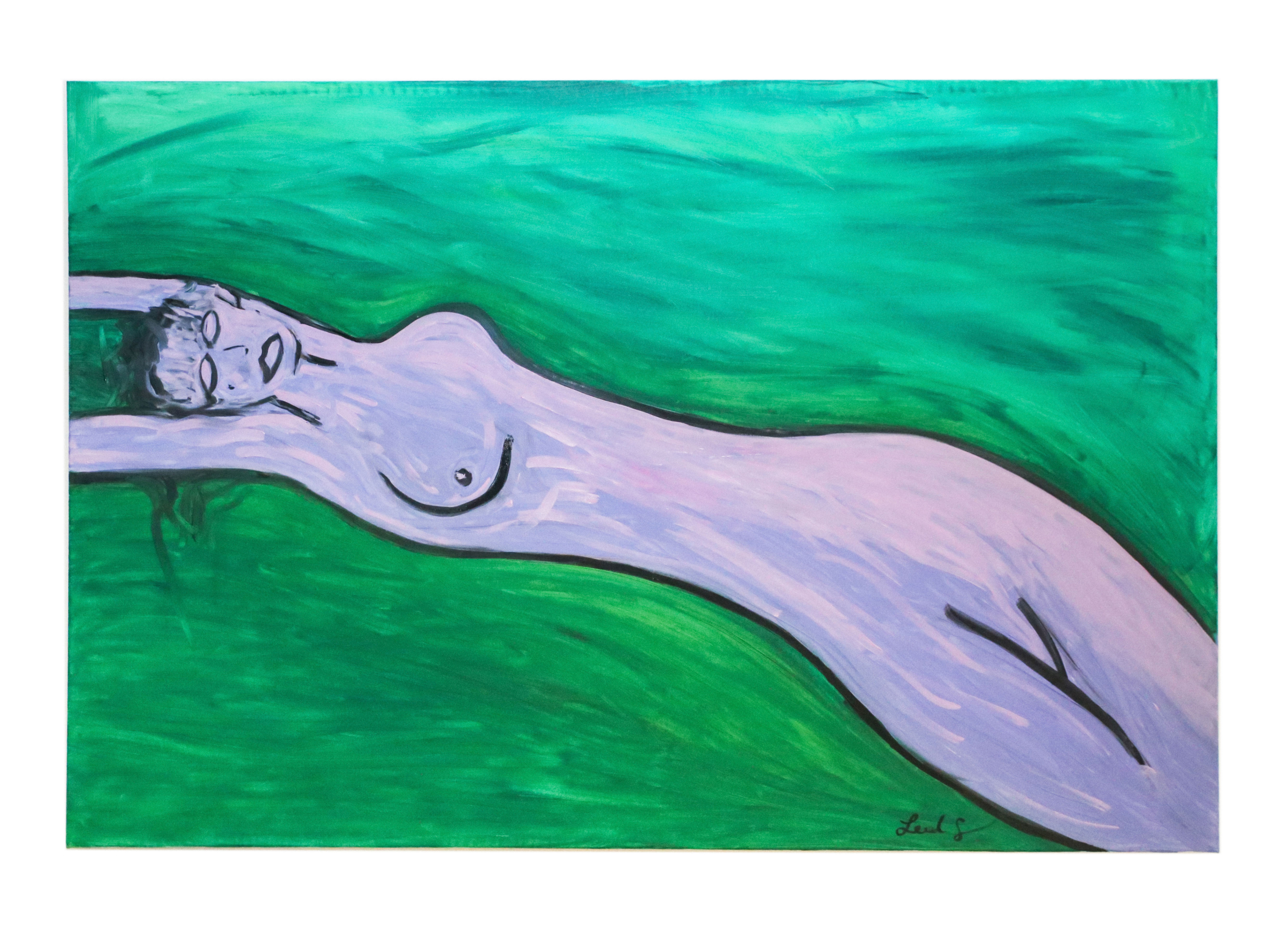
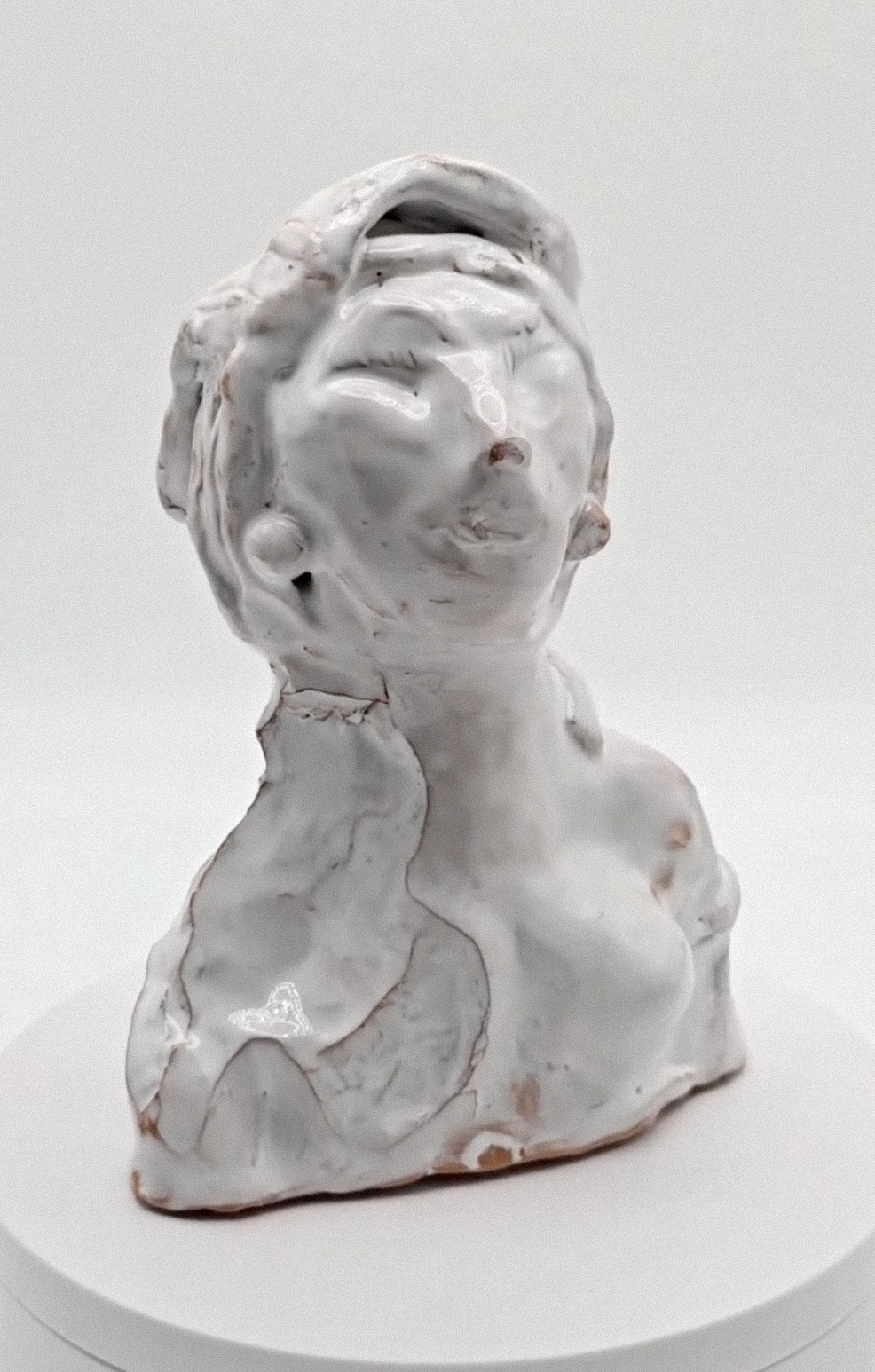
Your sculptures and drawings extend your exploration of gesture by transforming it into material and volume. What happens emotionally when a simple painted gesture becomes something physical and three-dimensional?
Sculpture came into my practice naturally, almost as a consequence of painting. At a certain point I felt the need to move beyond the surface and engage directly with matter. I am fascinated by the weight of materials, their resistance, and the fact that they possess a physical presence. Working in three dimensions completely transforms my relationship with gesture. The material gives something back that the painting holds within itself. It creates a different dialogue—slower, almost meditative.
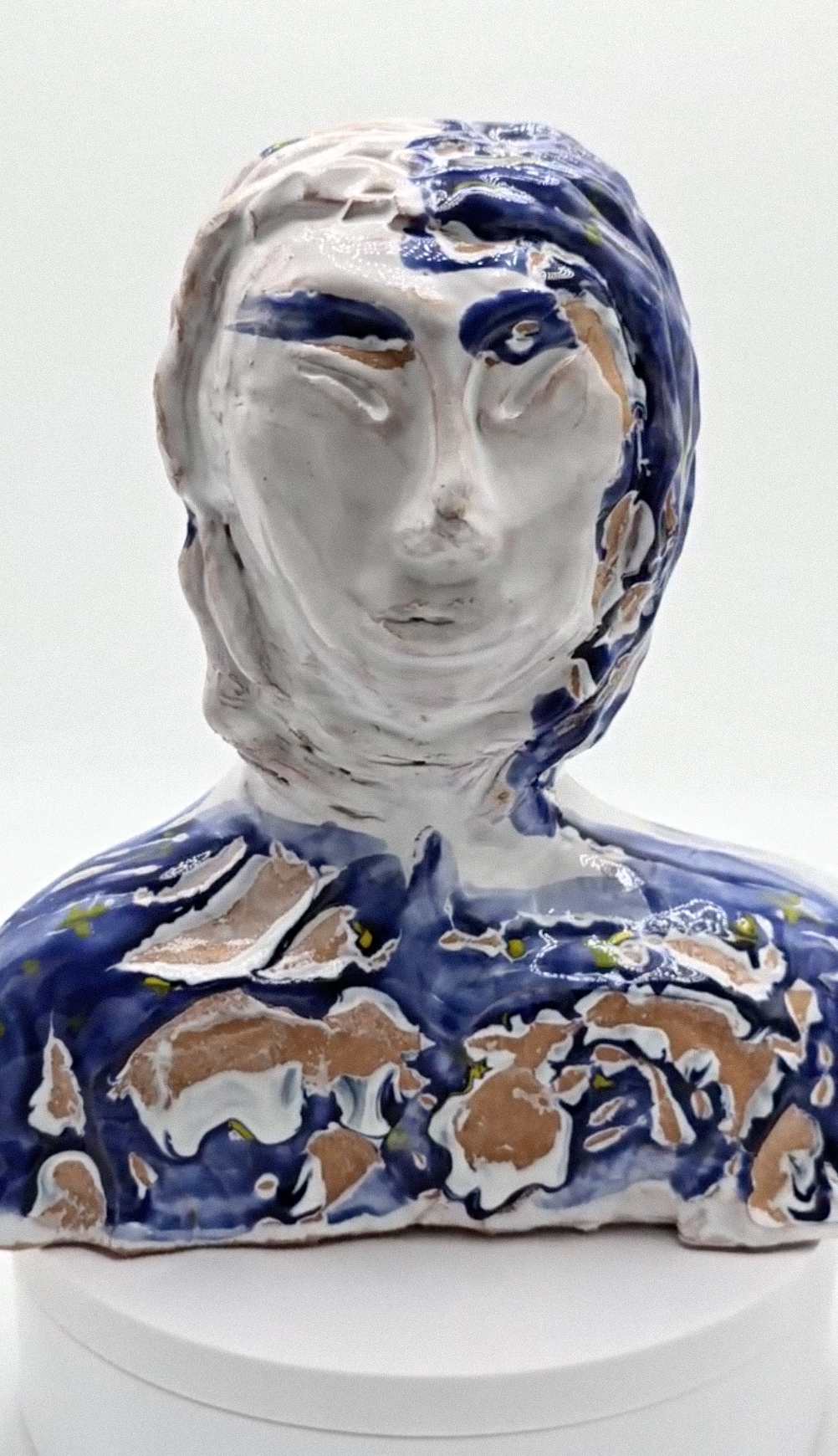
Your work achieves a remarkable balance between simplicity and emotional depth. Do you think removing elements from an image can sometimes reveal more about human experience than adding details?
I believe that removing is one of the most difficult exercises. We live surrounded by images that constantly try to add more information. I feel the need for the opposite. What interests me is creating space, allowing the viewer’s gaze to pause. I don’t think a work of art has to tell everything. Sometimes what is missing is precisely what allows the imagination to enter.
Many of your figures feel anonymous yet deeply personal, allowing viewers to project their own experiences onto them. Is creating this sense of universality something you consciously pursue?
I don’t think of universality as a goal. I simply try never to close the meaning of an image completely. I like the idea that those who look at my work can find something of their own experience in it without my explicitly suggesting it. When that happens, the work no longer belongs only to me—it begins a dialogue with someone else.
Born in Florence and working in Italy, you are surrounded by a long history of figurative art. How does this cultural heritage influence your relationship with the human form, and how do you reinterpret it through a contemporary lens?
Being born in Florence and living in Italy means growing up surrounded by images that are part of our cultural memory. It is impossible not to be influenced by them. The great Italian figurative tradition remains a constant presence in the background, even as I search for my own path.
Along the way, there have been artists who have left a profound mark on me. Ren Hang’s photographs struck me for the freedom with which he portrayed the body—without judgment and without artifice. Lucio Fontana taught me that a work of art does not end at its surface, but continues beyond what we can see. The Surrealists, and Salvador Dalí in particular, showed me that imagination can possess the same substance as reality, and that symbols can speak more directly than description.
Over time, I have come to understand that what truly interests me is not representing the world as it is, but attempting to translate something that exists before it. When I work, I often have the feeling of coming into contact with an invisible dimension, made up of archetypal images, intuitions, and energies that do not fully belong to the material world. I do not think of art as an act of invention, but as an act of listening. A work comes into being when something immaterial finally finds its form through the hands. Perhaps that is what I continue to seek: making visible what normally remains hidden, without ever claiming to explain it completely.
Find more about Leonardo’s work on his website or Instagram.